What is a Suspended Ceiling and When to Use One
Table Of Content
- Components and Varieties of Suspended Ceilings
- Mechanism of Installation of Suspended Ceilings
- Benefits of Suspended Ceilings
3.1 Acoustic Performance
3.2 Energy Efficiency
3.3 Aesthetics and Design Flexibility - Appropriate Applications
4.1 Commercial Spaces
4.2 Educational Buildings
4.3 Healthcare Facilities - Considerations for Installation
5.1 Structural Requirements
5.2 Safety and Compliance
Definition and Purpose
A suspended ceiling, often called a drop ceiling, serves as an essential architectural feature in a variety of spaces. It consists of panels or tiles hung below the main structural ceiling, creating an aesthetically pleasing lower surface. This design allows for easy installation of lighting, ventilation, and other systems that require access for maintenance in the void above.
Such ceilings are commonly used in commercial and office environments, where they offer a cost-effective way to manage acoustics and conceal pipes or wiring. In addition, they provide flexibility for modern interior designs, giving architects and designers a versatile tool to enhance the look and feel of a room.
When designing interior spaces, factors like acoustic performance, aesthetic preferences, and maintenance needs will influence the decision to install a suspended ceiling. Its adaptability and practicality make it an attractive option for a wide range of applications, from schools and hospitals to retail spaces and homes.
Components and Varieties of Suspended Ceilings
Suspended ceilings typically consist of a grid system and lightweight panels. The grid system is commonly made of metal, which supports the panels. Panels can be composed of materials like mineral fibre, metal, plastic, or wood.
The variety of panels allows for a range of textures and finishes, catering to different design preferences. Acoustic panels are particularly valued for sound absorption, while moisture-resistant options are ideal for damp environments. Some panels also provide fire resistance, enhancing safety features within a building.
Mechanism of Installation of Suspended Ceilings
Installation of a suspended ceiling begins with securing the grid system to the existing ceiling or joists. Metal channels arranged in a grid pattern form the framework.
Next, the panels are inserted, fitting snugly into the grid openings. The design allows for easy access to utilities within the ceiling void, such as electrical wires and HVAC systems. This accessibility simplifies maintenance and repairs.
Suspended ceilings are often selected for the insulation they can provide, both thermal and acoustic, contributing to energy efficiency and comfort in a space.
Benefits of Suspended Ceilings
Suspended ceilings offer a variety of advantages, such as improved sound control, energy savings, and enhanced design options. They provide an effective way to address sound management, help in reducing energy costs, and offer considerable flexibility in interior design.
Acoustic Performance
Suspended ceilings are effective tools for managing acoustics within a space. They help absorb sound, reducing noise levels and enhancing speech clarity. Materials like fibreglass or mineral fibre are often used, which possess excellent sound-absorbing properties.
These ceilings are particularly beneficial in environments where noise control is crucial, such as offices, schools, and hospitals. By reducing echoes and providing sound insulation, they create more conducive environments for concentration and communication.
Different tile options allow for variations in acoustic performance. This flexibility enables the creation of tailored acoustic solutions that meet specific environmental needs. Their ability to block and absorb sound makes them a valuable choice for various spaces.
Energy Efficiency
These ceilings can play a significant role in improving energy efficiency within a building. By creating an additional layer below the original ceiling, they help in reducing heat loss and maintaining temperature balance. This can contribute to lower energy bills.
Suspended ceilings also facilitate the installation of energy-efficient lighting solutions, such as LED lights. Modern systems are designed to integrate well with different lighting options, allowing for optimised energy use.
This energy-saving capability is particularly advantageous in large commercial buildings where heating and cooling needs are significant. The reduced volume of space that needs to be heated or cooled leads to more manageable energy requirements.
Aesthetics and Design Flexibility
One of the main advantages of suspended ceilings is the wide array of design options they offer. With a variety of materials, colours, and textures available, they can enhance the visual appeal of any space. This versatility makes them suitable for both traditional and modern interiors.
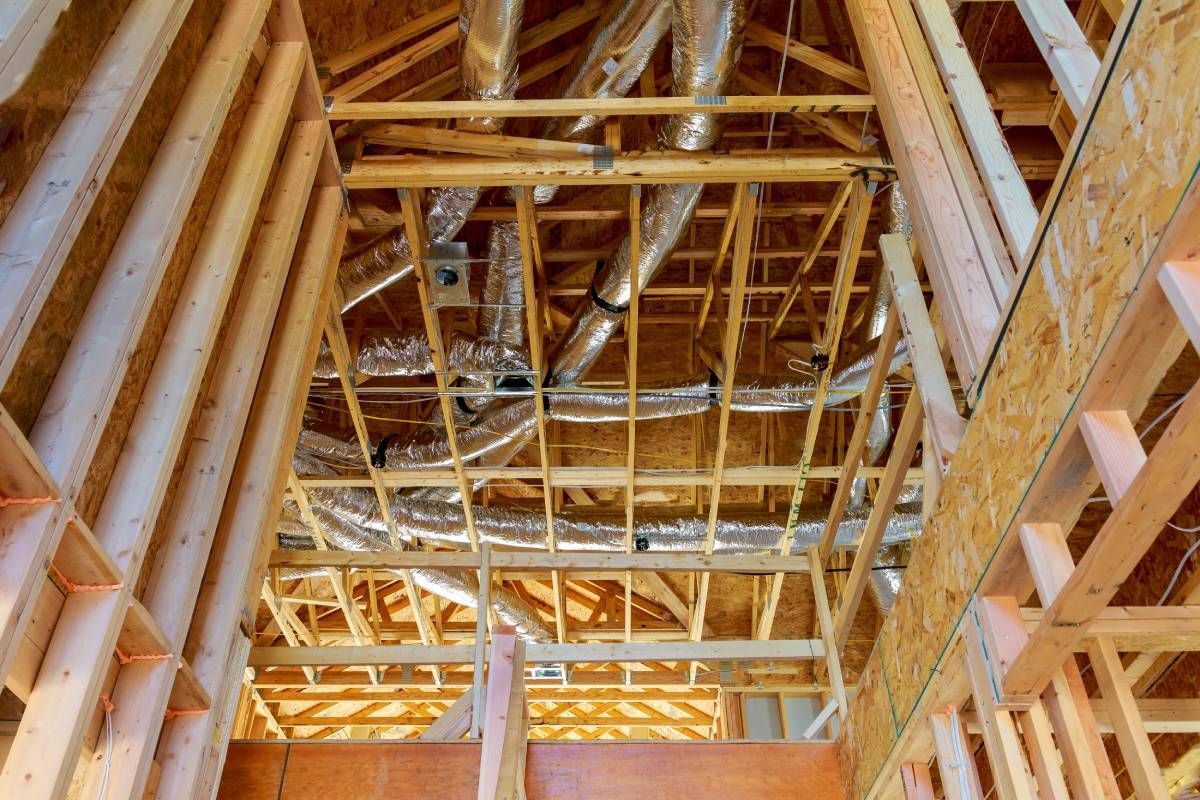
They can also hide unsightly structural elements such as pipes and ductwork, providing a clean and polished look. Easy access to the void above allows for efficient maintenance and future reconfigurations.
The ceilings can be customised to fit any layout or design preference. This benefit is particularly useful in commercial spaces aiming for brand consistency or in residential spaces seeking unique designs.
Appropriate Applications
Suspended ceilings offer practical solutions in various buildings due to their versatility. They are particularly advantageous in environments where aesthetics, acoustic performance, and accessibility to utilities are important.
Commercial Spaces
In commercial spaces, suspended ceilings enhance aesthetics and functionality. These ceilings are popular in offices, shopping centres, and retail stores. They offer a sleek look while also providing options for integrating lighting systems and climate control devices seamlessly.
Key Benefits:
- Improved acoustics: Essential in offices for noise reduction.
- Concealment of wiring and ductwork: Maintains a clean look.
- Ease of maintenance: Quick access to utilities for repairs.
Overall, suspended ceilings adapt well to the dynamic needs of commercial environments. Their ability to incorporate various design elements makes them a favoured choice for architects and interior designers.
Educational Buildings
Educational buildings often utilise suspended ceilings to create conducive learning environments. Schools and universities benefit from improved acoustics, enhancing communication and reducing distractions.
Considerations:
- Acoustic tiles: Reduce echoing in large spaces.
- Customisable designs: Cater to specific aesthetic requirements.
- Fire resistance: Important for safety standards.
Suspended ceilings help manage ambient noise across classrooms, lecture halls, and libraries. They also offer schools flexibility in terms of cost and design, suiting a variety of budgets while maintaining a modern appearance.
Healthcare Facilities
In healthcare settings, suspended ceilings play a key role in maintaining hygienic conditions. Hospitals and clinics require ceilings that support rigorous cleaning and sanitation processes.
Features:
- Moisture resistance: Prevents mould and bacterial growth.
- Antimicrobial coatings: Crucial for infection control.
- Noise reduction: Creates a calm environment for patients.
The design and material of suspended ceilings in healthcare facilities are chosen with patient comfort and safety in mind. They provide a crucial balance between accessibility, hygiene, and aesthetic neutrality essential in a healthcare environment.
Considerations for Installation
When planning to install a suspended ceiling, several key factors must be evaluated. These include structural requirements to ensure safety and support, as well as adherence to regulations for safety compliance.
Structural Requirements
Before installing a suspended ceiling, assessing the existing structure’s ability to support the additional weight is crucial. This involves examining the building’s framework and determining load-bearing capacities. Professional guidance may be required to ensure that the chosen materials and ceiling design align with structural limitations.
The suspended ceiling’s grid system must be securely attached to the existing ceiling to avoid sagging. The choice of materials, such as metal, wood, or PVC tiles, impacts the weight and overall load of the ceiling. Ensuring that the installation meets load and structural requirements prevents undue stress on the building and prolongs the ceiling’s lifespan.
Safety and Compliance
Adhering to safety standards and building regulations is vital during installation. Fire resistance ratings and acoustic properties are key elements to consider, as various regulations may apply depending on the building type. It is important to select materials certified for fire safety and adequately insulate against sound.
Electrical and lighting systems need careful planning to prevent hazards. Cables should be neatly stowed within the ceiling cavity, and lighting fixtures should comply with safety codes. Proper ventilation must also be considered, particularly in environments with high humidity, to prevent mould and maintain air quality. Consulting local building codes ensures compliance and safeguards occupant well-being.
Recent Posts