
Types of Suspended Ceilings


Illia Parkhomenko • February 10, 2025

Definition and Purpose

suspended ceiling, also known as a dropped or false ceiling, consists of a grid framework that suspends ceiling tiles or panels below the main structural ceiling. Typically made from materials like mineral fibre, metal, or gypsum, these ceilings create a void between the original ceiling and the tiles, which allows for easy access to wiring, plumbing, and HVAC systems.


The primary purposes of suspended ceilings include improving acoustics, enhancing aesthetics, and offering thermal insulation. They enable designers to create visually appealing environments while allowing for easy maintenance and access to hidden services. Additionally, they can be used to manage lighting effectively, as various types of fixtures can be integrated seamlessly into the ceiling design.

Common Types of Suspended Ceilings

Suspended ceilings come in various types, each offering unique benefits suited for specific environments. The following sections cover common types of suspended ceilings including their characteristics and applications.

Acoustic Ceiling Tiles

Acoustic ceiling tiles are designed to control sound within a space. They are made from materials that absorb sound waves, reducing noise levels and echo. Typically, they are used in offices, schools, and auditoriums where noise control is essential.


These tiles come in various sizes, colours, and patterns, providing aesthetic versatility. Installation is straightforward as they can be placed in a grid system. Furthermore, they are often lightweight, making them easy to handle.


Maintenance is minimal; tiles can be cleaned or replaced when stained or damaged. Key materials include mineral fibre, foam, and fiberglass. Effective use of acoustic ceilings enhances comfort and productivity in workspaces.

Metal Ceiling Systems

Metal ceiling systems provide a sleek and modern appearance. Commonly made of aluminium or steel, these ceilings are durable and resistant to moisture, making them suitable for high-humidity areas like kitchens and bathrooms.


The panels come in various finishes, including painted and brushed, offering aesthetic options. Installation can involve a grid system or direct attachment to the ceiling structure.


These systems are easy to clean and maintain, requiring only periodic wiping down. In addition, metal ceilings often feature various perforation patterns for acoustic performance. They are ideal for commercial spaces, adding both style and functionality.

Gypsum Board Ceilings

Gypsum board ceilings, commonly known as drywall ceilings, consist of panels made from gypsum plaster pressed between two sheets of thick paper. They are widely used in residential and commercial construction due to their fire-resistant properties.


These ceilings can be finished with paint, texture, or other decorative treatments. Installation typically involves attaching the boards directly to the ceiling joists or a frame system.


Gypsum board offers excellent soundproofing qualities, making it suitable for residential areas needing privacy. Repairing holes or imperfections is straightforward with patching compounds. This ceiling type is both cost-effective and reliable for a range of applications.

Installation Methods

Suspended ceilings can be installed using various methods. Each method offers distinct advantages and can be suited to different project requirements.

Grid Systems

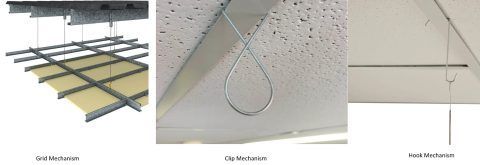
Grid systems are the most common method for installing suspended ceilings. This method involves a framework of metal grid strips suspended from the ceiling structure.


The grid supports individual ceiling tiles, which can be easily replaced or removed as needed. Installation requires precise measurements to ensure that the grid is level.


Typically, main runners are spaced at intervals of 1200mm, with cross tees inserted at 600mm intervals. This allows for standard-sized tiles (600mm x 600mm) to fit securely within the framework.


This method is efficient for covering large areas and allows for easy access to overhead services.

Clip-in Systems

Clip-in systems utilise tiles that are fitted into a metal framework, which allows for a clean and seamless appearance. The tiles are designed with a lip that clips directly into the grid, eliminating visible gaps.


This installation method is ideal for spaces where aesthetics are a priority. It creates a smooth, refined look suitable for commercial interiors.


Installation involves mounting the grid to ceiling joists or the structural ceiling. Generally, the tiles are available in various designs and finishes, allowing for customised aesthetics.


Repairing or replacing tiles in this system can be more challenging than with grid systems due to the interlocking design.

Hook-on Systems

Hook-on systems feature tiles that are suspended from the grid using hooks. This method allows for easy installation and removal of tiles.


Tiles are typically larger, often 1200mm x 600mm, making them suitable for spaces that require fewer joints and a more expansive look. The hooks provide support while enabling quick access to mechanical systems above.


This system is beneficial in high-traffic areas where durability is necessary. The design accommodates various tile materials, including metal and mineral board, providing flexibility in style and function.


Overall, this method offers a robust solution for both functionality and design in suspended ceilings.

Three views of suspended ceiling components, including a grid structure, a wire hanger loop, and a ceiling installation.

Materials and Properties

Suspended ceilings can be crafted from various materials, each offering distinct properties. These materials influence factors like acoustics, aesthetics, and fire resistance. Understanding these materials helps in selecting the right type for specific applications.

Mineral Fibre

Mineral fibre tiles are popular for their acoustic performance and fire resistance. Made from natural or synthetic minerals, these tiles effectively absorb sound, reducing noise levels in large spaces. They come in various textures and finishes, allowing for custom aesthetic choices.


Key properties include:


  • Sound Absorption: High NRC (Noise Reduction Coefficient) ratings for effective sound management.
  • Fire Resistance: Typically classified as Class A fire-rated.
  • Moisture Resistance: Many mineral fibre tiles resist moisture, preventing mould growth.


This makes them suitable for offices, schools, and healthcare facilities.

Fibreglass

Fibreglass panels are known for their durability and lightweight nature. These panels offer excellent acoustic performance and are resistant to moisture and chemicals. Fibreglass is often used in areas requiring high hygiene standards, such as laboratories and food processing facilities.


Noteworthy attributes include:


  • Durability: Resistant to damage and corrosion.
  • Hygienic Properties: Easy to clean and maintain, ensuring high standards of cleanliness.
  • Versatile Designs: Available in various colours and styles to suit different interiors.


Their performance makes them ideal for both commercial and industrial environments.

Metal

Metal tiles, often made from aluminium or steel, provide a modern aesthetic and high durability. They can reflect light, enhancing the brightness of a space. Metal ceilings often contribute to energy efficiency by reducing lighting costs.


Core characteristics include:


  • Strength: Highly durable and can withstand impact.
  • Fire Resistant: Generally have high fire ratings.
  • Recyclable Materials: Eco-friendly options are available, contributing to sustainability efforts.


These tiles are commonly used in retail environments, restaurants, and contemporary office spaces.

Plasterboard

Plasterboard ceilings are widely used in residential and commercial applications. Known for their smooth finish, they can be painted to match any interior design. Plasterboard offers good sound insulation properties but needs additional treatments for moisture resistance.


Key features include:


  • Customisable: Easily shaped and moulded for creative designs.
  • Sound Insulation: Good STC (Sound Transmission Class) ratings.
  • Moisture Options: Water-resistant variants are available for areas like bathrooms.


This versatility makes plasterboard suitable for a variety of projects, from homes to offices.

Considerations for Selection

Choosing the right suspended ceiling involves evaluating several important factors. Key elements to consider include acoustic performance, durability and maintenance, aesthetic preferences, and budget constraints. Carefully assessing each of these aspects ensures an informed decision.

Acoustic Performance

Acoustic performance is crucial for ensuring sound quality within a space. Different materials provide varying levels of sound absorption and insulation. Acoustic tiles often feature specialised surfaces that help reduce noise levels significantly.


Consider the following:


  • NRC Rating: Look for materials with a high Noise Reduction Coefficient (NRC) to improve sound absorption.
  • Volume of Space: Larger spaces may require higher-performing acoustic solutions to manage echoes and reverberation.


Selecting the right acoustic options directly impacts communication and comfort in environments such as offices, schools, and theatres.

Durability and Maintenance

Durability influences long-term performance and upkeep. Some materials resist damage from moisture, mould, or impact better than others.


Key aspects to evaluate:


  • Material Type: Gypsum products, for instance, tend to be more durable than lightweight options.
  • Cleaning Protocols: Certain finishes are easier to clean, which is vital for keeping up appearances in commercial spaces.


Understanding the maintenance requirements helps in planning future costs and effort for upkeep.

Aesthetic Preferences

The aesthetic appeal of a suspended ceiling can enhance the overall look of a space. Various styles and finishes allow for personalised environments.


Considerations include:


  • Design Style: Choose between modern or traditional designs, depending on the context of the building.
  • Colour and Texture: A wider palette permits creativity, making it easier to complement existing decor.


Selecting materials that align with the desired visual outcome ensures a harmonious environment.

Budget Constraints

Budget constraints play a significant role in the decision-making process. Selecting options that balance quality with cost-effectiveness is essential.


Important factors to assess:


  • Initial Costs: Evaluate the price of materials and installation.
  • Long-term Value: Consider how durability may affect replacement and maintenance costs over time.


A clear understanding of financial limits helps in making practical decisions while ensuring quality and functionality.

Recent Posts

A diverse group of colleagues in a modern office gather around a wooden table, smiling as they stack their hands together.
By Illia Parkhomenko February 27, 2025
Boost productivity with a smart office fitout! Enhance comfort, collaboration & efficiency with expert designs from Parkon. Learn more today!
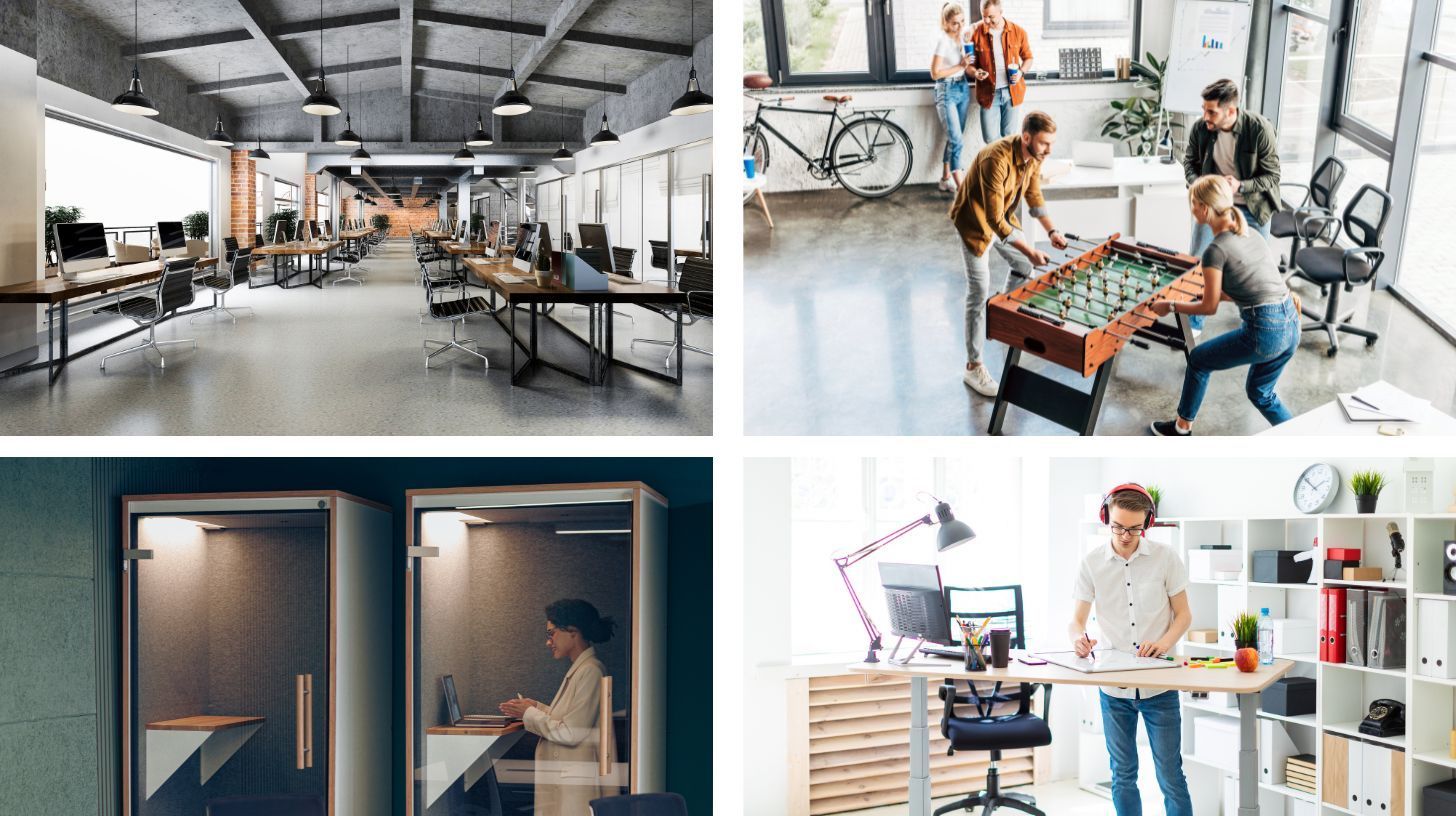
A collage showing diverse modern workspaces, including an open office, a foosball game, quiet pods, and a standing desk.
By Illia Parkhomenko February 24, 2025
Is your office space uninspiring? Check out these 10 office fitout ideas to create a workspace that’s stylish, functional, and productive!
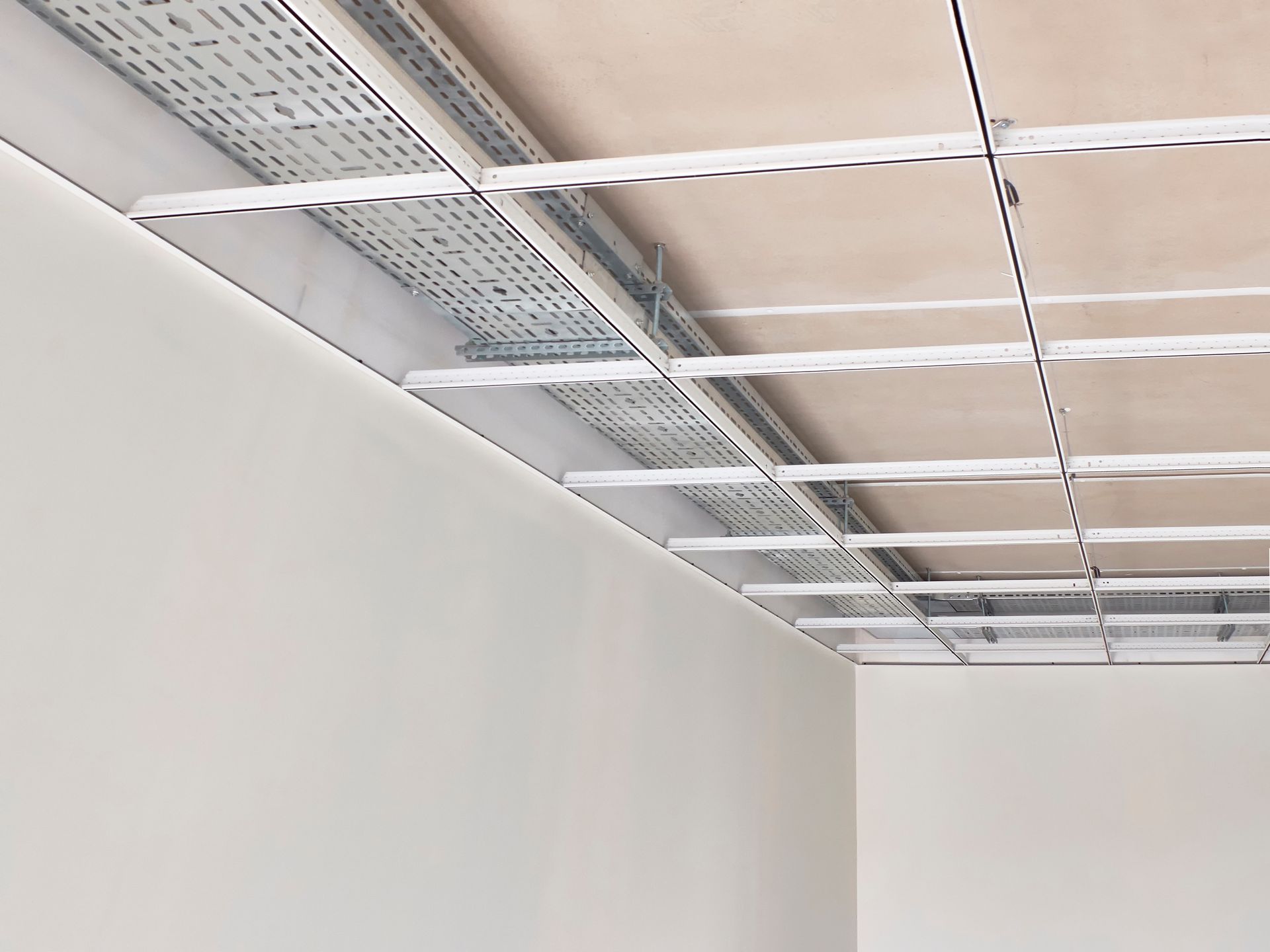
A metal cable tray installed along the corner of a ceiling, integrated with a white suspended grid framework.
By Illia Parkhomenko February 10, 2025
A suspended ceiling is a secondary ceiling hung below the main one, often used to hide wiring, plumbing, and HVAC systems
A collage of four modern office interior scenes, featuring a coffee station, a reception area, a lounge, and workstations.
By Illia Parkhomenko December 19, 2024
Transform your commercial space with Parkon's expert fit-out solutions for offices, retail, clinics, cafes, and restaurants. Elevate your business today!
Split view showing a modern office workspace on the left and a minimalist retail clothing store interior on the right.
By llia Parkhomenko December 18, 2024
Explore how commercial fit outs transform empty spaces into functional, branded environments through strategic design and construction.
Modern office with industrial brick walls, large windows, two orange armchairs, and desks with rolling chairs.
By Illia Parkhomenko November 8, 2024
Explore the costs and key factors of office fit outs, from basic to premium, and get tips on maximising your investment in a productive workspace.

A worker in a cap and gloves uses putty knives to apply plaster to a textured wall.
By Illia Parkhomenko November 7, 2024
Learn about the cost of plastering, including material, labor, and project size factors. Get budgeting tips and find the best deals for your project!